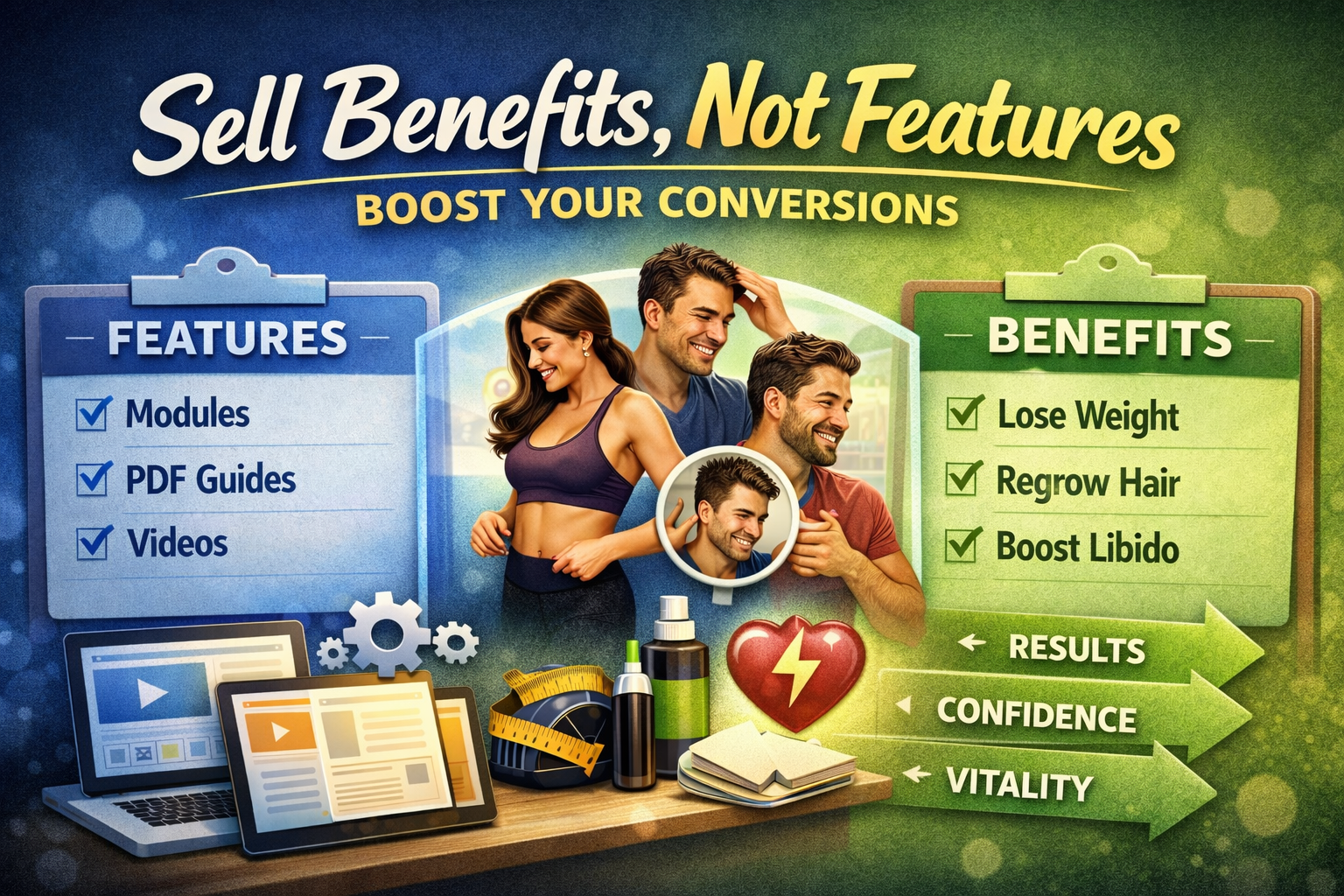
Adult publishers don’t need to rely only on explicit offers to grow revenue. Sexual wellness and dating affiliate programs—think penis enhancement, breast augmentation and shaping solutions, pheromone products, and mainstream-compatible dating platforms—can lift EPC and RPM when they’re positioned as confidence, lifestyle, and relationship upgrades rather than as sensational promises. The objective is simple: match these programs to real visitor motivations, place them where intent is highest, use neutral copy that remains brand-safe, and measure performance by placement so you can scale what works.
Why sexual wellness and dating programs fit adult audiences.
Visitors arrive with overlapping needs that extend beyond entertainment: confidence, attractiveness, intimacy, discretion, and connection. Natural enlargement and enhancement guides, shapewear and augmentation support solutions, pheromone formulas, and reputable dating or matchmaking offers map directly to those needs without requiring explicit creative. These categories also diversify your income streams, hedge against volatility in pure adult payouts, and often include trials or subscriptions that raise earnings per click over time. When positioned as practical, confidence-building tools, they feel like service rather than interruption, which is the foundation of higher CTR and conversion rates.
Compliance and brand safety come first.
Treat age-gating as non-negotiable. Do not monetize, retarget, or cookie anyone who selects “under 18.” That path should redirect away from adult content to a neutral, educational page, not to an affiliate offer. For adults, keep copy neutral and non-explicit, avoid medical claims, and use straightforward disclosures. Favor creatives that would be acceptable on a general-audience site: clean product imagery, plain typography, and zero suggestive visuals. Maintain a written checklist covering age-gate flow, disclosure language, and disallowed phrasing so partners can see your standards up front; this shortens approvals, unlocks better creatives, and protects your relationships long term.
Members-area upsells that feel like perks.
Your members area is the highest-intent environment: users are logged in, engaged, and receptive to value-adds. Present sexual wellness and dating placements here as “Member Benefits,” not ads. On the dashboard, feature one concise module that frames a male enhancement guide or coaching program as a structured, safety-first path for confidence and performance. In the account settings page, a subtle placement for a reputable dating platform or pheromone product fits the mindset of “improve my profile and presence.” On content library and device pages, a discreet enhancement or shaping solution can be presented as a personal transformation tool with outcomes like “feel more confident” and “support intimacy,” never explicit claims. On purchase confirmations and receipts, test a low-friction trial—such as a pheromone starter kit or a reputable dating app discount—because users are already in acceptance mode. Limit to one module per page, match house styles, keep dismiss options obvious, and emphasize benefits like privacy, discretion, and guarantees.
Decline pages that rescue lost value.
Payment failures and cancellations still contain momentum. Use the decline page to offer a clearly different, brand-safe alternative that acknowledges the moment and provides value. For example, “No worries—if now isn’t the time, you can still improve confidence with a discreet at-home program” is an empathetic lead-in to a vetted enhancement guide or shaping solution. Dating trials also convert well here because they feel like a fresh start rather than a consolation prize. Keep calls to action low-commitment—“Start Free Trial,” “See How It Works,” “Claim Member Discount”—and offer only one option to avoid decision fatigue. The goal is to recover a portion of otherwise lost sessions without pressure.
Under-18 exit links are for safety only.
If a user selects “under 18,” redirect immediately to a general-audience safety page. Do not place affiliate links or tracking on this route. This strict separation is both an ethical obligation and a practical advantage: it strengthens your brand-safety profile, reassures sexual wellness and dating partners, and prevents compliance issues that can jeopardize accounts. The revenue impact is indirect but real because stronger trust from partners translates to better assets, higher tiers, and higher commission rates in your adult-only surfaces.
Choosing the right categories and angles.
Penis enhancement programs should be framed around education, safe technique, stamina, and confidence rather than unverified size claims. Emphasize guidance, consistency, and realistic outcomes. Breast augmentation and shaping solutions benefit from a self-image angle: posture, symmetry, fit, and style support, presented as empowerment and comfort rather than dramatic transformation. Pheromone products perform when positioned as social confidence boosters: subtle, everyday upgrades that may enhance perceived attractiveness; avoid deterministic claims. Dating programs should lean on reputation, safety features, verification tools, and success-story social proof; present them as structured ways to meet like-minded adults respectfully. All categories respond well to reassurance lines like money-back guarantees, plain-language privacy policies, and customer support availability.
Copy and UX patterns that convert without being explicit.
Write like a trusted coach, not a hype man. Lead with neutral, outcome-focused headlines such as “Build confidence with a structured at-home plan,” “Enhance your presence in social settings,” or “Meet like-minded adults safely and discreetly.” Support benefits with short, specific proof points—third-party ratings, guarantee terms, or verified user satisfaction data—without screenshots that could read as explicit. Keep CTAs straightforward: “See How It Works,” “Start Your Trial,” “Explore Member Offer.” Match the site’s typography and color palette so modules look editorial and integrated. Avoid aggressive timers, auto-play sounds, and pop-unders; respectful UX consistently outperforms interruptions in session-based businesses.
Placement cadence, rotation, and eligibility logic.
Even strong modules fatigue if they never change. Assign each location—dashboard perk, settings module, receipt add-on, decline rescue—one primary offer per category and one backup. Rotate creative when CTR dips below baseline or at least quarterly. If a member activates a dating trial, suppress dating placements for that user and surface pheromones or a wellness guide instead. If an enhancement program is purchased, replace that module with maintenance or complementary confidence offers. This eligibility logic keeps recommendations relevant, raises EPC, and prevents redundancy that undermines trust.
Tracking and optimization focused on real outcomes.
Instrument each placement with unique sub-IDs so you can see EPC by page type instead of guessing. For trials and coaching programs, track both initial conversions and activation or completion milestones; a click without engagement won’t create sustainable revenue. Prioritize CTR, conversion rate, trial-to-paid activation, EPC by placement, and revenue per thousand member sessions. A/B test one variable at a time: headline phrasing, CTA verb, reassurance line, or the single hero benefit. Small copy shifts—“Build confidence at home” versus “Start a private program”—often drive meaningful swings in CTR and EPC. Document winners, templatize the creative, and deploy consistently across your themes.
Partner communication that earns approvals and higher tiers.
Sexual wellness and dating brands can be cautious about adult adjacency. Lead with transparency. Share screenshots of non-explicit placements, your age-gate flow, disclosure text, and a one-page brand-safety summary. Offer to use only partner-approved creatives and confirm disallowed terms in writing. Provide quarterly performance by placement and user segment. When partners see thoughtful UX, strong governance, and real performance data, you’ll secure better assets, faster approvals, and, frequently, tiered commission increases that lift EPC without adding traffic.
A practical rollout you can execute this month.
Add one “Member Benefit” module on the dashboard: a vetted confidence-focused enhancement guide with a guarantee. Add a settings-page placement for a respected sexual wellness product emphasizing safety and verification. Place a single rescue offer on the decline page—an entry-level pheromone guide or an enhancement solution with a low-commitment CTA. On receipts, test a discreet add-on that complements the member’s goals, such as a online dating / hookup guide. Review EPC by placement after thirty days, keep the winners, rotate underperformers, and refresh copy quarterly. This simple loop compounds revenue while protecting user trust.
The bottom line.
Sexual wellness and dating affiliate programs can be a stabilizer and a multiplier for adult websites when you position them as confidence and connection tools, keep copy neutral and non-explicit, respect under-18 boundaries, and track results by placement. Treat members-area modules as genuine perks, use decline pages to recover sessions with helpful alternatives, and rotate creative with clear eligibility rules. Do this consistently and you’ll increase EPC and RPM without compromising the experience, the partnerships, or the integrity of your brand.
Using Mainstream Affiliate Programs on Adult Websites.
A smart mix of mainstream affiliate offers can lift EPC and RPM on adult sites without risking trust. This guide shows exactly where to place them - members-area upsells, decline pages, and under-18 exit paths - and how to handle copy, compliance, and tracking so the revenue boost is steady, brand-safe, and user-friendly.

Related Articles